A new addition to the Infrequently-Asked Questions list.
An inquirer asks: What are “Nephilim?” What does it mean that they’re called “Sons of God?”
References to Nephilim and sons of God come from Genesis 6:2–4:
The sons of God saw the daughters of men, that they were beautiful; and they took wives for themselves of all whom they chose… There were giants on the earth in those days, and also afterward, when the sons of God came in to the daughters of men and they bore children to them. Those were the mighty men who were of old, men of renown. (Genesis 6:2-4)
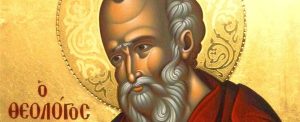
In his Homilies on Genesis (especially Homilies 22–23), Saint John Chrysostom addresses this passage in detail. See the full text of Sermons 22-23.
Here’s the gist of it: He says “sons of God” in Genesis 6 are descendants of the righteous Seth. The “daughters of men” are wicked descendants of the murderer Cain. So Chrysostom does not have to speculate about sexual activity by angels, who are bodiless and cannot marry or produce offspring. He understands the descendants of this union, the giants (Greek gigantes, Hebrew nephilim) to be violent, powerful, arrogant men, not hybrid half-angel beings. He interprets “giants” morally, speaking of tyrants, men of great wickedness, not biologically.
For Chrysostom, the sin here is moral corruption through intermarriage with the wicked. The righteous are becoming corrupted by mixing with the unrighteous, reflecting a breakdown of moral boundaries leading to worldwide chaos.
Why are Seth’s descendants called “Sons of God”?
In Hebrew idiom, “son of” is a description of a human person, identifying his likeness, agency, and relationship.
Deuteronomy 32:8 says “When the Most High divided to the nations their inheritance, when he separated the sons of Adam” [NIV: “divided all mankind”]. All people are “sons of Adam,” i.e. participants in Adam’s nature as humans.
Judges 19:22; 1 Kings 21-10 refer to rebels as “sons of Belial.” [Hebrew Belial literally meant worthlessness or wickedness but by NT times was also personified as a name for a demon; “sons of Belial” means worthless men.
In 1 Kings 20; 2 Kings 2, the “sons of the prophets” are not the prophets’ kids; they’re prophetic men.
In Psalm 89:6, “the sons of the mighty” [NIV: the heavenly beings] refers to mighty ones.
In Isaiah 57:3, “ye sons of the sorceress, the seed of the adulterer and the whore” accuses all idolaters of being like prostitutes in character.
In Mark 3:17, because of their stormy temper, the Lord nicknames James and John “sons of thunder.”
In Daniel’s vision, Ch. 7, One like a “son of man” comes up to the Everlasting One, and receives a Kingdom that shall not pass away. By the first century, based on this passage “The Son of Man” was a term of messianic expectation. Christ uses this name for himself all over the Gospels because he has become a son of Adam, a human person. (The “Jesus was not God” heresy didn’t pop up for over three centuries after the resurrection, but the “Jesus didn’t really become human” heresy was a real issue in the first century.)
This is why both John the Baptist and Christ denied that the leaders of Judea were sons of Abraham, but rather sons of the devil. (Matthew 3:9; John 8:39-44). The Lord tells these leaders, the one you emulate, that’s whose son you are. And that’s why “Blessed are the peacemakers, for they shall be called sons of God.” (Matthew 5:9) Our actions demonstrate who our Father is. (Matthew 5:16; John 1:12; Romans 8:14,19; Philippians 2:15; 1 John 3:1-2; Hosea 1:10)
Understanding “son of” in biblical terms, we can make sense of the text:
The sons of God saw the daughters of men, that they were beautiful; and they took wives for themselves of all whom they chose… There were giants on the earth in those days, and also afterward, when the sons of God came in to the daughters of men and they bore children to them. Those were the mighty men who were of old, men of renown. (Genesis 6:2-4)